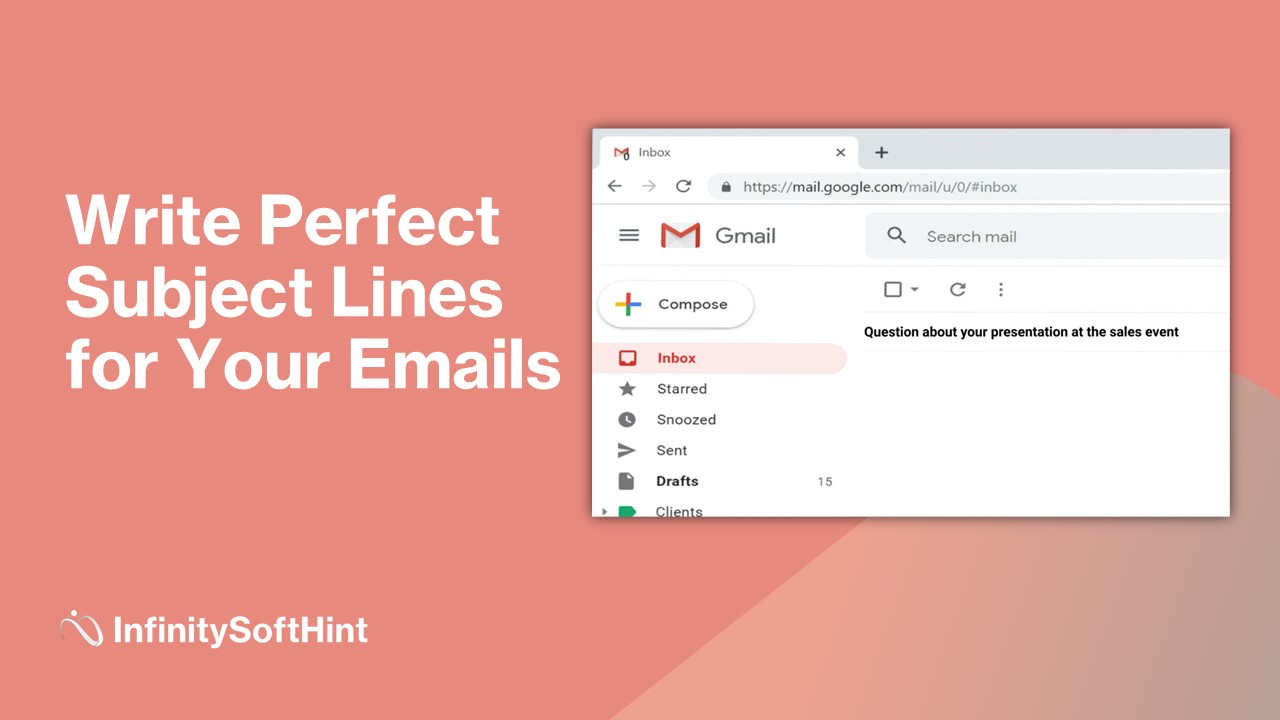
Email subject lines serve as the ultimate gatekeeper for your communication these days. If you want to write perfect email subject lines, you need to understand modern inbox psychology.
Think about getting over 120 work emails every day. How much time do you spend choosing which one to open?
Data shows that most people take only 2 to 3 seconds to look at a subject line and decide. Today, a subject line that is uninspired or overly basic will lead to your email being disregarded or, even worse, flagged as spam, which fundamentally determines the outcome of your entire marketing initiative.
We wrote this guide to help you move past outdated tactics and navigate the modern inbox. By leveraging simple psychology, mobile-first best practices, and data-driven strategies, this guide provides the tools you need to grab attention, communicate value, and ensure your emails are actually opened and read in 2026.
1. How to Write Perfect Email Subject Lines: The Anatomy
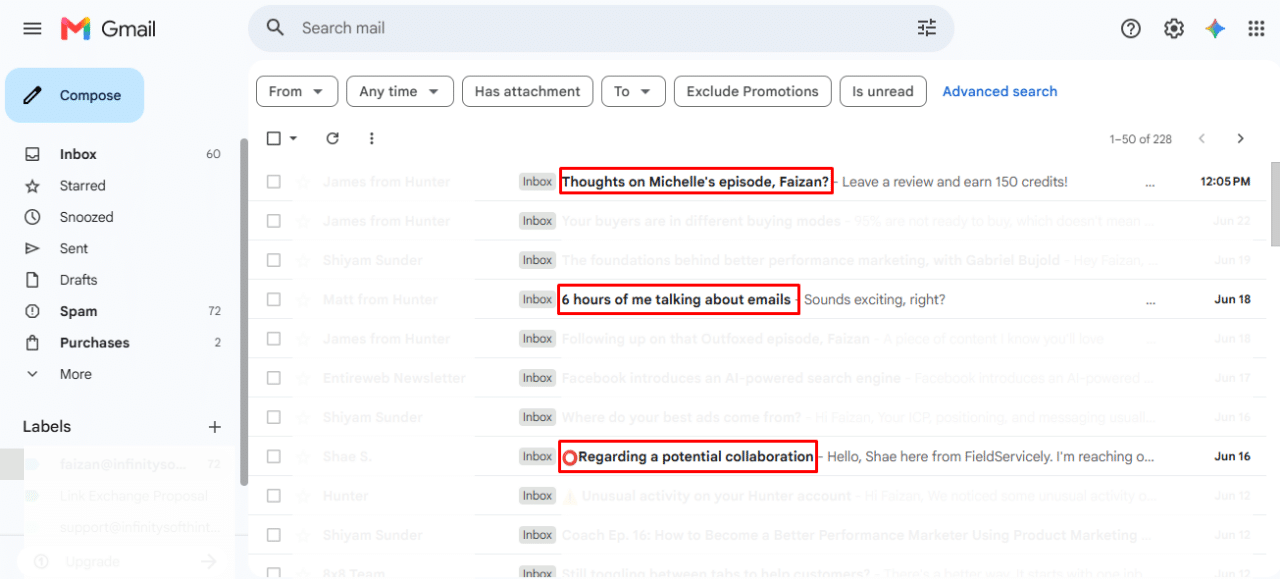
Have you ever wondered why the subject line holds so much weight? It serves as the ultimate gatekeeper for your message. Research indicates that a remarkable 47% of recipients choose to open an email based solely on the strength of that single sentence.
Even more importantly, a staggering 69% of recipients will report an email as spam just by looking at a poorly written subject line. This single sentence dictates the success or failure of your entire marketing effort.
Since over 60% of emails are now opened on mobile devices, your subject line must act as a precise, 50-character elevator pitch. A perfect subject line clearly communicates value, grabs attention instantly, and avoids getting truncated on smaller screens.
2. The Psychology Behind High-Converting Subject Lines
Good subject lines use simple human psychology. If you understand how people think, you can write lines that are hard to ignore.
The Curiosity Gap & Pain Point Agitation
The “Curiosity Gap” uses our natural desire to know more. By leaving out one piece of info, you make the reader want to open the email to find out the answer.
Also, “Pain Point Agitation” focuses on problems. Instead of just sharing a benefit, you talk about a specific problem your reader has. This shows you understand them and builds trust.
In business, people trust what others trust. Using “Social Proof”, like mentioning big companies or leaders, makes you look more professional right away.
The Scarcity Principle (FOMO) means people don’t want to miss out. Saying an offer is ending soon makes people act fast. But you must be honest; fake deadlines will make people stop trusting you.
3. Essential Email Subject Line Best Practices for 2026
Understanding why people click is important, but you also need to follow the rules. If your subject line doesn’t work well on modern phones, it will fail.
Here are the most important rules to follow in 2026 to make sure your emails are seen and clicked.
Keep It Under 50 Characters (The Mobile-First Rule)
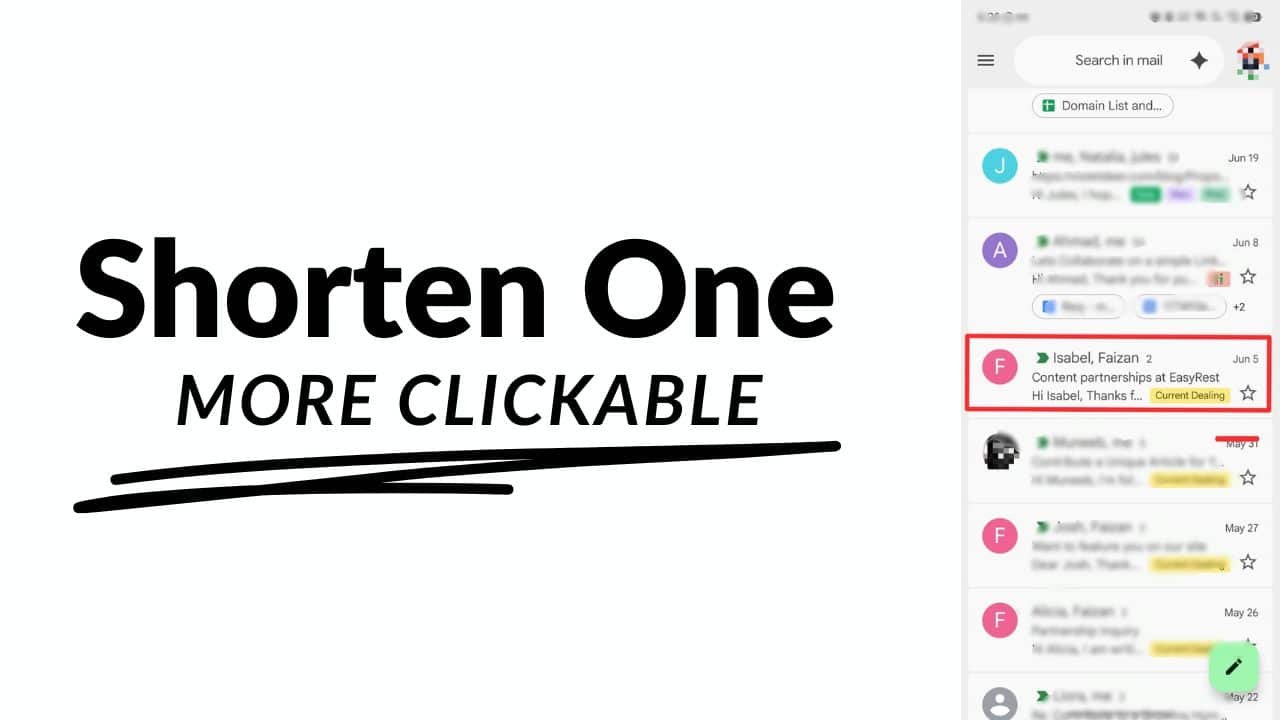
Since 60% of emails are opened on phones, long lines get cut off. If the reader can’t see the whole message, they won’t open it.
Try to stay under 50 characters. Using four words or fewer is even better because it looks like a personal note. Put the most important words first.
Pair Your Subject Line With the Preheader Text
The preheader is the short text that shows up next to the subject line. On phones, this gives you more space to grab attention. Don’t let it show boring default text.
Make the preheader work with your subject line. For example, if your subject is “Your report is ready”, the preheader could be “See the 18% growth inside”.
Use Action-Oriented Language & Strategic Emojis
Great subject lines make people want to do something. Start with a strong action word like Discover, Join, Save, or Download.
You can also use emojis to stand out. Emojis save space and look good. Just use one or two, so you still look professional and don’t get marked as spam.
4. Advanced Personalization (Beyond Just First Names)
How can you effectively personalize subject lines in 2026 without appearing intrusive or overly simplistic? This common challenge is best addressed by moving beyond basic name tags, as modern audiences easily recognize and dismiss rudimentary automation.
True personalization in the current landscape involves leveraging specific insights regarding a recipient’s history, professional role, or unique interests. Instead of relying on generic queries, high-performing strategies focus on referencing a contact’s specific company or recent achievements.
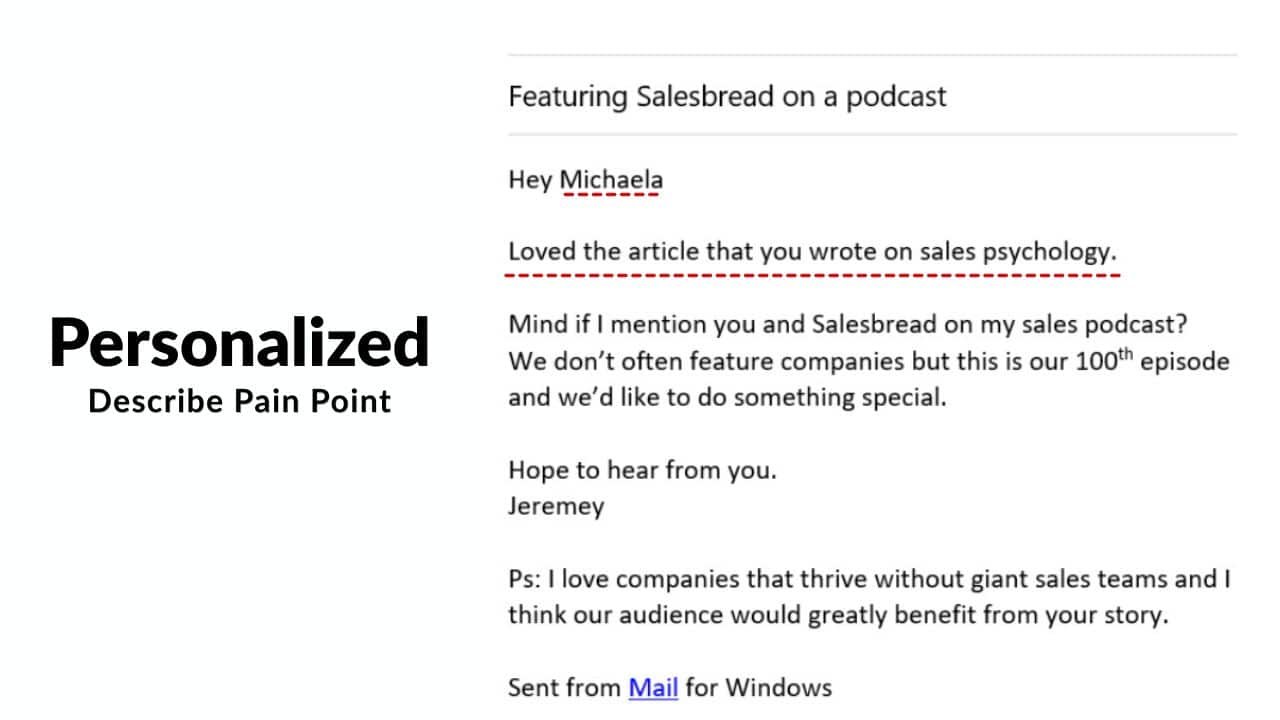
This tailored approach demonstrates that you have conducted thorough research and truly understand the recipient’s environment. By directly addressing their specific needs, your email shifts from being perceived as a standard advertisement to appearing as a relevant and helpful suggestion.
Real personalization means using what you know about the person, like their history or interests. Instead of a generic question, try mentioning their specific company or role.
To deep dive into how modern automation can help you implement these tailored strategies effectively without sounding robotic, check out our comprehensive guide on the core principles of personalization in email marketing. This shows you did your research. When you speak to their specific needs, your email feels like a helpful suggestion instead of just an ad.
5. 12 Subject Line Mistakes That Send You Straight to Spam
How can you ensure your messages successfully navigate the increasingly sophisticated landscape of inbox security?
A common question in the industry is: what specific words and tactics trigger automated spam filters in 2026? The answer is that modern filters have evolved to analyze the context of the entire message rather than just flagging isolated keywords. Relying on deceptive tricks or overly aggressive, pushy sales tactics is now a guaranteed way to see your content blocked or relegated to the spam folder.
To make sure your emails arrive safely, avoid these 12 common mistakes:
- 1. Using Fake “RE:” or “FW:”: This tricks people and makes them stop trusting you immediately.
- 2. Shouting in ALL CAPS: Writing in all capital letters or using excessive exclamation points (!!!) looks like a late-night infomercial and is a major spam trigger.
- 3. Using Spam-Trigger Words: Avoid words that promise miracle outcomes or aggressive urgency, such as “100% Free,” “Guarantee,” “Act Now,” or “$”.
- 4. Failing to Pay Off the Curiosity Gap: Clickbait doesn’t work in a professional inbox. If your subject line promises one thing but the body delivers another, users will report you as spam. To avoid this, make sure you align your hooks with proven formulas for writing email marketing content that actually delivers on your subject line’s promise.
- 5. Inserting Your Organization’s Name: Why waste valuable subject line space? Your ‘From’ field already reveals where the email is coming from.
- 6. Including Dates or Series Numbers: No one cares if it is “Newsletter #14” or includes today’s date. It wastes space and turns off new readers.
- 7. Exceeding the Character Count: Desktop inboxes cap at around 60 characters, while mobile apps cut off at 25-30 characters. Keep it tight or your message gets lost.
- 8. Neglecting to Write for the Ear: If your subject line doesn’t sound catchy when read out loud (like a radio headline), it won’t grab attention fast enough.
- 9. Making it Too Wordy: Always omit needless words. Subject lines with four words or fewer often perform best because they look like personal messages.
- 10. Using Weak First Words: The first word of your subject line is the most important. Make it an action verb or a high-impact power word.
- 11. Using Insider Acronyms: Unless your metrics prove otherwise, avoid using complex industry acronyms (like CPM, CTR, or B2B) that might confuse the average reader.
- 12. Boring Your Reader: If you are bored reading your own subject line, your audience will be too. Spark emotion or curiosity.
Bonus Warning on Deliverability: It’s not just about spammy words; sending too many emails at once can also land you in the spam folder. To understand this technical issue and its consequences, learn what mail flooding is and how to prevent it to ensure your sender reputation remains secure.
6. The Role of AI and Predictive Modeling in Email Open Rates
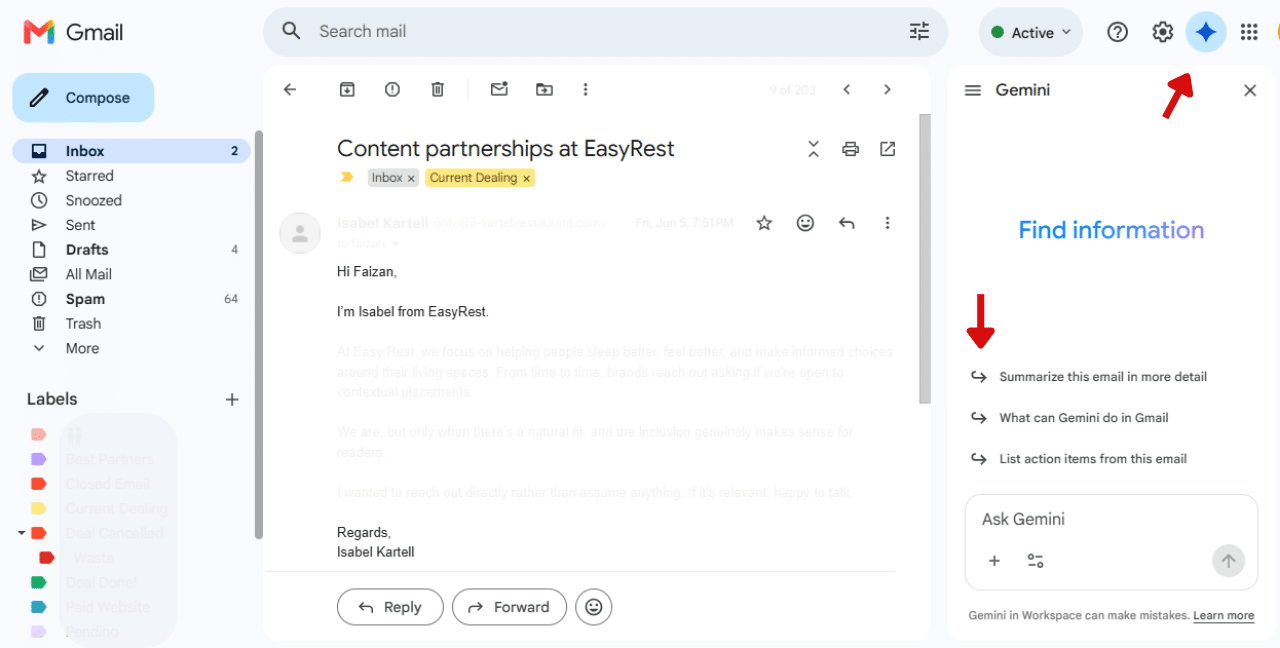
In 2026, AI has transformed subject line creation from a guessing game into a data-driven strategy.
By analyzing historical campaign data, emotional triggers, and word counts, AI tools can now predict email open rates and generate hyper-personalized hooks mathematically proven to convert.
AI-Powered Subject Line Generation
AI’s role doesn’t stop at analyzing data; it now actively generates the hooks for you.
Advanced AI agents can analyze successful subject lines from your past campaigns to understand exactly what appeals to specific audience segments. Instead of brainstorming from scratch, marketers can use AI tools to automatically generate multiple subject line variations tailored to their campaign goals.
For instance, modern AI tools connect buyer intent data directly to your outreach, suggesting hyper-personalized and witty subject lines that are mathematically proven to convert. Furthermore, tools like HubSpot, Jasper, ActiveCampaign and many others ensure that these AI-generated subject lines strictly maintain your unique brand voice and guidelines.
Predictive Behavioral Modeling
Once the AI generates these variations, advanced machine learning models (like CatBoost and LightGBM) come into play. They analyze historical campaign data, semantic embeddings, and structural features to predict a subject line’s open rate before you even hit send.
These predictive models analyze everything from word count and emotional triggers to the exact sender reputation, offering actionable insights to maximize effectiveness without relying entirely on expensive trial-and-error methods.
Predictive Send-Time Optimization
Furthermore, AI goes beyond the text itself. Predictive send-time optimization analyzes historical engagement data to determine the exact moment each individual subscriber is most likely to open their emails.
By delivering the perfectly generated message during a user’s unique “Optimal Engagement Window,” AI drastically improves visibility and conversion rates.
7. A/B Testing in 2026: The Apple Mail Privacy Protection (MPP) Dilemma
How can subject lines be tested accurately in the current landscape? The most effective strategy is to avoid relying solely on “Email Open Rates.” Due to Apple’s privacy regulations, these metrics often appear significantly higher than they are in reality.
Since iOS 15, Apple MPP automatically pre-fetches email tracking pixels. This artificially inflates your email open rates to nearly 100% for Apple Mail users, regardless of how good or bad your subject line actually is. If you are only A/B testing based on email open rates today, you are essentially making decisions based on fake data.
To test correctly in 2026, look at clicks or actual sales. These are much more accurate ways to see if your subject line is working.
8. Industry & Purpose-Specific Email Subject Lines That Convert
Remember the 2 to 3-second attention span rule we mentioned at the very start of this article? To help you win those crucial seconds, here are high-converting, industry-specific subject lines you can adapt for your own campaigns.
SaaS & Digital PR Outreach
For B2B link-building, guest posts, and lead generation, personalizing around recent achievements works best.
- Example: “Loved your last article!”
- Why it works: As we noted in our advanced personalization section, this proves you actually did your homework. It focuses entirely on the prospect and breaks the ice naturally.
E-commerce & Retail
For cart recovery and flash sales, combining the recipient’s name with genuine urgency is highly effective.
- Example: “Last call [Name]… closing soon”
- Why it works: This leverages the scarcity principle we talked about earlier. It gives the reader a tangible, time-sensitive reason to act immediately.
Sports & Fitness Brands
To target specific niches like sports enthusiasts, using numbers and direct benefits grabs attention fast.
- Example: “3 ideas for your next marathon prep”
- Why it works: Our brains are biologically wired to notice digits. Using a number creates an easy-to-digest promise that stands out instantly.
More Subject Line Examples to Spark Your Creativity
As we explored in the psychology section of this guide, context is everything. To help spark your creativity for different daily scenarios, here are some highly effective email subject line examples tailored to various purposes:
- Newsletters:
- “Stay Informed with Our Weekly Digest”
- “This Week’s Top Stories You Can’t Miss”
- “Discover the Trends Shaping [Industry] Today”
- Pro Tip: After using a perfect subject line to get your email opened, use infographic emails in email marketing to make your content visually appealing. This makes text-heavy newsletters highly engaging and scannable.
- Sales & Promotions:
- “Flash Sale Alert! 50% Off This Weekend Only”
- “Exclusive Offers Just for You”
- “Limited Time Deal Ends Soon!”
- Follow-Ups:
- “Still Interested? Let’s Continue the Conversation”
- “We Missed You! Here’s What You Missed”
- “Don’t Forget About Your Special Gift”
- Event Invitations:
- “Join Us for an Exclusive VIP Event”
- “RSVP Now to Secure Your Spot”
- “You’re Invited: [Event Name] with Special Guest [Name]”
- Job Application:
- “Your Dream Job Awaits: Apply Today”
- “Come Work with Us and Make an Impact”
- “Ready for a New Challenge? We’re Hiring!”
- Content Writing Services:
- “Need Quality Content? We’ve Got You Covered”
- “Take Your Content to the Next Level with Our Services”
- “Transform Your Ideas into Compelling Words”
- Guest Post Proposal:
- “Collaboration Opportunity: Write for Our Blog”
- “Interested in Submitting a Guest Post? Here’s How”
- “Join Our Community of Thought Leaders and Share Your Insights”
- Digital Marketing Services:
- “Get More Leads and Conversions with Our Marketing Services”
- “Boost Your Online Presence Today – Here’s How”
- “Your Digital Marketing Strategy Is Incomplete Without This”
- App & Web Development Services:
- “Transform Your Vision into Reality with Our App Development Services”
- “Ready to Launch Your Next Big Idea? Let’s Talk”
- “Say Goodbye to Generic Websites – We’ll Create a Custom Solution for You”
- Web Growth Collaboration:
- “Partner with Us to Accelerate Your Online Growth”
- “Collaborate with Industry Experts for Maximum Impact”
- “Join Forces and Watch Your Website Thrive”
These examples perfectly illustrate the power of concise, action-oriented language that we discussed earlier. Analyze what works best for your specific audience and adapt the style accordingly to maximize your open rates!
Conclusion: Ready to Master Your Inbox?
As we highlighted at the beginning of this guide, your subject line is the ultimate gatekeeper of your entire email marketing campaign. If you fail to spark curiosity, agitate a pain point, or provide clear value, your message will simply remain unread.
By keeping your subject lines under 50 characters, pairing them with compelling preheader text, avoiding spam trigger words, and adapting to the Apple MPP tracking changes, you are now fully equipped to write perfect subject lines in 2026.
We have one last question: Which trick will you try first? Will you use curiosity or an emoji? Try these changes today and achieve new business leads!