
What is SEO? The simple definition of SEO, which stands for search engine optimization, is the study of how to improve the positioning of web content on the first page of search engine results pages (SERPs).
This is the Web 2.0 age, where an Internet presence is central to organizational performance, and SEO is essential to any form of digital marketing. By adhering to Google policies and designing posts that align with the Google search engine algorithm, such businesses can drive organic traffic, strengthen their brand, and achieve their primary marketing goal.
We researched, and according to SEMrush statistics, “66% of website traffic comes from Google”. Our insights come from deep experience in strategic growth and in managing successful, high-authority link-building campaigns in today’s digital landscape. In this article, we provide a master guide to SEO that covers the core principles, effective strategies, and current trends for 2026. We covered keyword research, on-page, off-page optimization, technical SEO, and voice SEO.
And analytics that help in measuring success. If you are a beginner and struggle to find a comprehensive guide, this will help you build SEO knowledge and enhance your online presence.
1. At first, You Know What is SEO is?
As in the introduction paragraph of this article, we read that SEO means Search Engine Optimization, the strategy that optimizes content to increase the online visibility of search engine results pages (SERPs). The main goal is to increase organic traffic by making relevant content that solves through the strategic use of specific topics and keywords.
SEO involves multiple techniques, each of which plays a part in making a particular application work: from keyword research to on-page elements like title tags, meta descriptions, and content quality, to technical SEO (site speed, mobile friendliness), and then off-page techniques such as backlink building. This content aligns with search engine algorithms, which rate content to deliver the best results for user queries.
SEO, search engines, and user behaviour are closely related. User experience is always a priority for search engines, and they prefer to rank content that matches the user’s intent. It is well-structured and provides value. In fact, without this kind of SEO, content languishes. It cannot meet searchers’ needs because it offers nothing.
2. Role and Importance of SEO in Different Fields
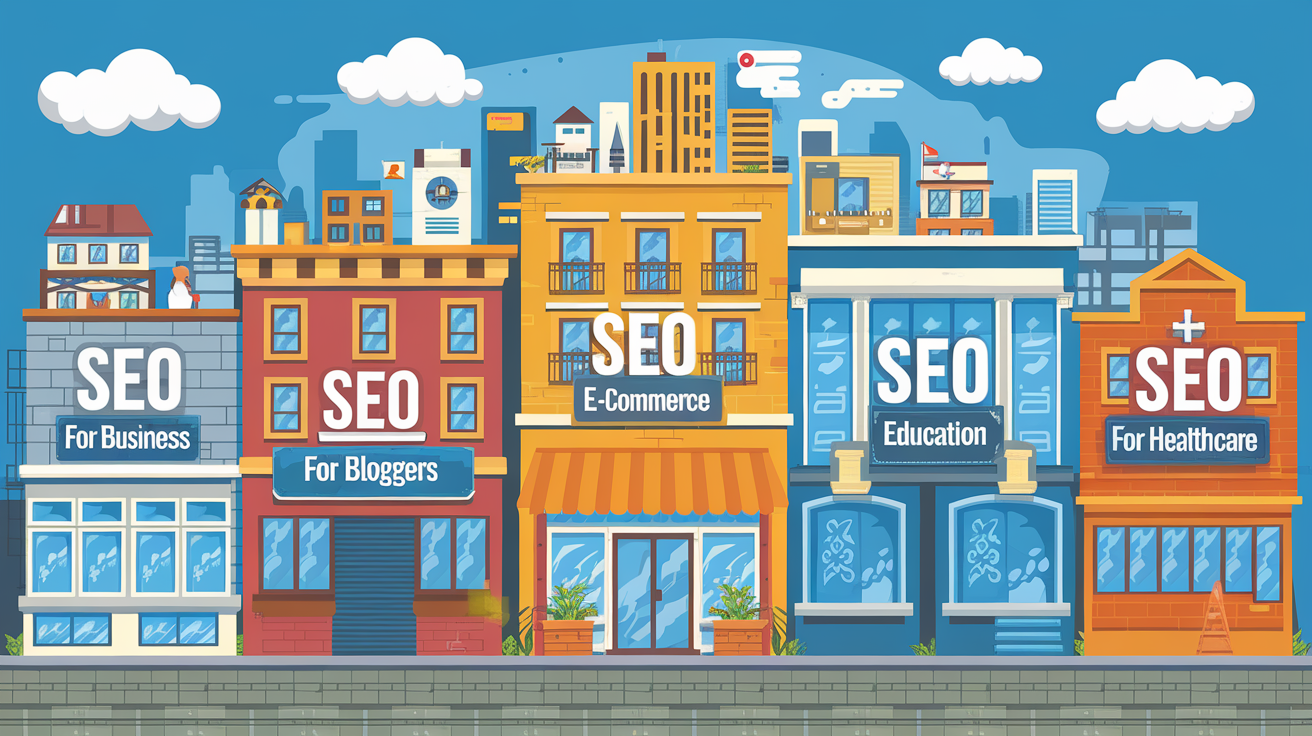
SEO improves online discovery for enterprises across different business sectors.
- For business, it helps generate leads and sales, and improve user trust.
- For bloggers, it increases organic traffic and audience reach.
- For e-commerce, SEO increased product visibility and conversions.
- SEO in education promotes courses, institutes, and information.
- In healthcare, SEO brings patients to reliable providers with the strongest brand reputation.
- In the nonprofit sector, SEO is used to raise awareness and donations.
Due to growth in the tech, hospitality, and property industries, SEO has proven more productive in organizations where returns on investment are realized. I believe that SEO is known for its relevancy, authority, and growth in all sectors.
3. Types of SEO
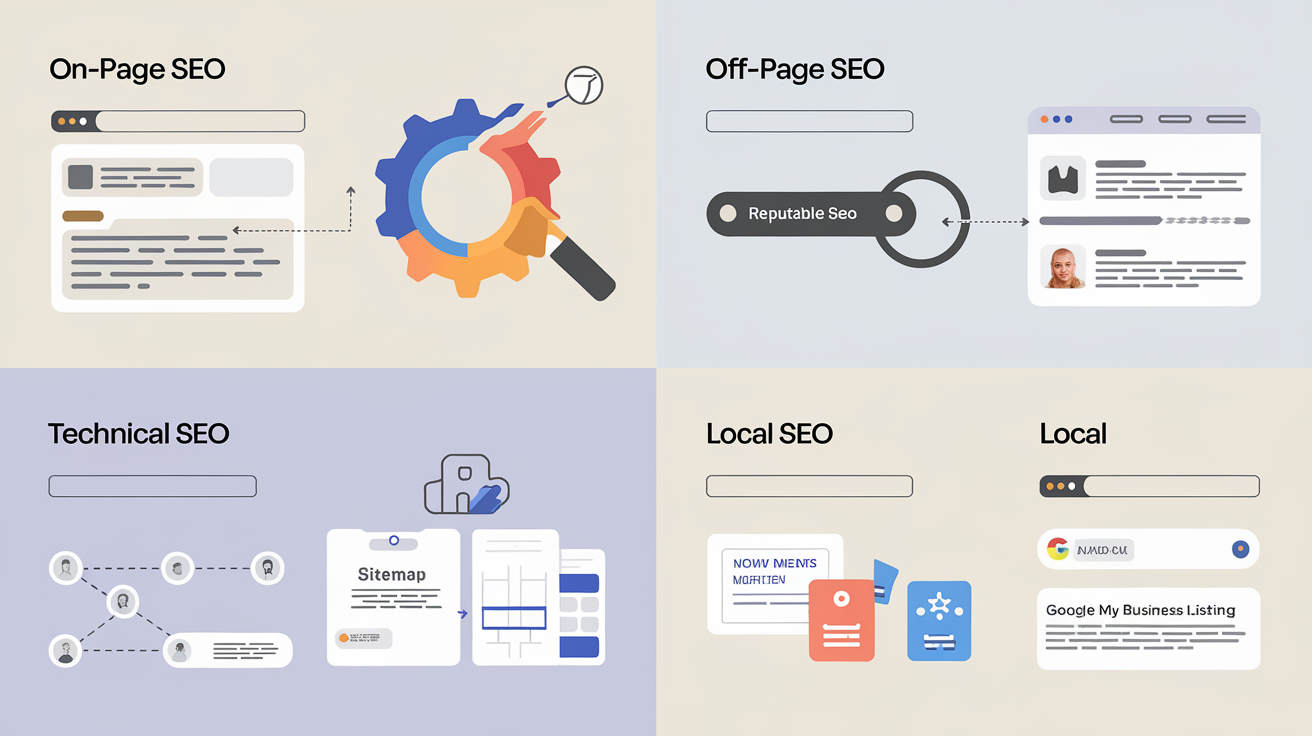
Modern SEO utilizes several specialized types to enhance website visibility and authority:
- ON Page: It focuses on the front side of the website. Optimizing individual web pages with content improvement, keyword optimization, meta tag usage, and title optimization.
- Off-page: Outside activities on the website, such as link building, social media signals, and brand mentions, are some of the improved features here.
- Technical SEO focuses on the website’s backend and infrastructure to improve crawling and indexing, including optimizing site speed, making the website responsive for mobile users, and maintaining a well-structured site architecture.
- Local SEO: Focuses on enhancing local search visibility by optimizing Google My Business, targeting local keywords, and ensuring that Name, Address, and Phone (NAP) information is consistent across all directories.
Beyond the core types, modern SEO focuses on emerging metrics and strategies. AI Optimization (AIO) involves aligning your content with AI search engine models (such as Google’s AI Overviews) to ensure your brand is cited as an authority. Geolocation SEO (GEO) is a focused effort to capture local, high-intent traffic by optimizing for “near me” searches, building on Local SEO. Other essential and popular metrics for evaluating a site’s authority include Majestic’s Citation Flow (CF) and Trust Flow (TF), as well as overall site health metrics from tools like Semrush and Ahrefs.
4. Important SEO Factors & Core Pillar Strategies
Another definition of SEO is optimizing specific aspects of a site to increase visibility and search engine rankings. Key factors include:
- Content & User Experience (UX): The content is the backbone of SEO, and it is high-quality, relevant, and engaging. When you use keyword-optimized text, search engines understand the topic and provide value to the users. To retain more users and increase its ranks, a website must be simple to navigate, mobile-friendly, and fast.
- Dive Deeper into Content and Landing Page Optimization: For a website to succeed, keywords alone are not enough; having user-friendly content and well-designed landing pages is essential. If you want to understand how quality content acts as your website’s ranking magnet and why landing page SEO is necessary for website growth to boost conversions, be sure to read these detailed guides.
- Keywords: Choose primary, secondary, as well as Latent Semantic Indexing (LSI), like. What Is SEO? Why must a Website Rank on Google: A Beginner’s Guide? These help indicate that the content is comprehensive and on point with the user’s search intent.
- Backlinks: Backlinks are evaluated by quality and quantity and are used by search engines as indicators of a website’s quality. It’s all about having a diverse backlink profile.
- Dive Deeper into Link Building and Domain Authority (Off-Page SEO): Earning do-follow backlinks is a crucial off-page SEO strategy to build your authority on search engines. To understand this process, learn what link building is in SEO, discover how many backlinks per referring domain are required for a website, and find out how you can organically increase your Domain Authority (DA) through ethical link-building partnerships.
- Technical Aspects: Helping search engines crawl and index your site is done through schema markup, HTTPS security, and the XML sitemap.
- Dive Deeper into Technical SEO, Indexing, and Advanced Research: If your website isn’t indexed on Google, how will it rank? That’s why fixing technical SEO and understanding how to index a website with Google are absolutely essential. Furthermore, utilizing Google search operators for deep competitor research and technical audits will give you mastery over advanced SEO tactics.
5. Is SEO Important for SERPs?
SERPs (Search Engine Results Pages) are listings that appear once you type in a query into a search engine. Both paid ads and organic results are on these pages.
- SEO’s Role in SERPs: SEO improves a website’s ranking, visibility, and click-through rates (CTR). To make a difference on the front page of SERPs, which most users never take the time to go beyond.
- Paid Vs. Organic Results: Organic results are not paid advertisements; SEO is a process of creating natural results alongside paid search results. Organic results can exist but have greater long-term credibility with users.
6. How to Start SEO?
Beginner-friendly SEO involves several steps:
1. Keyword Research:
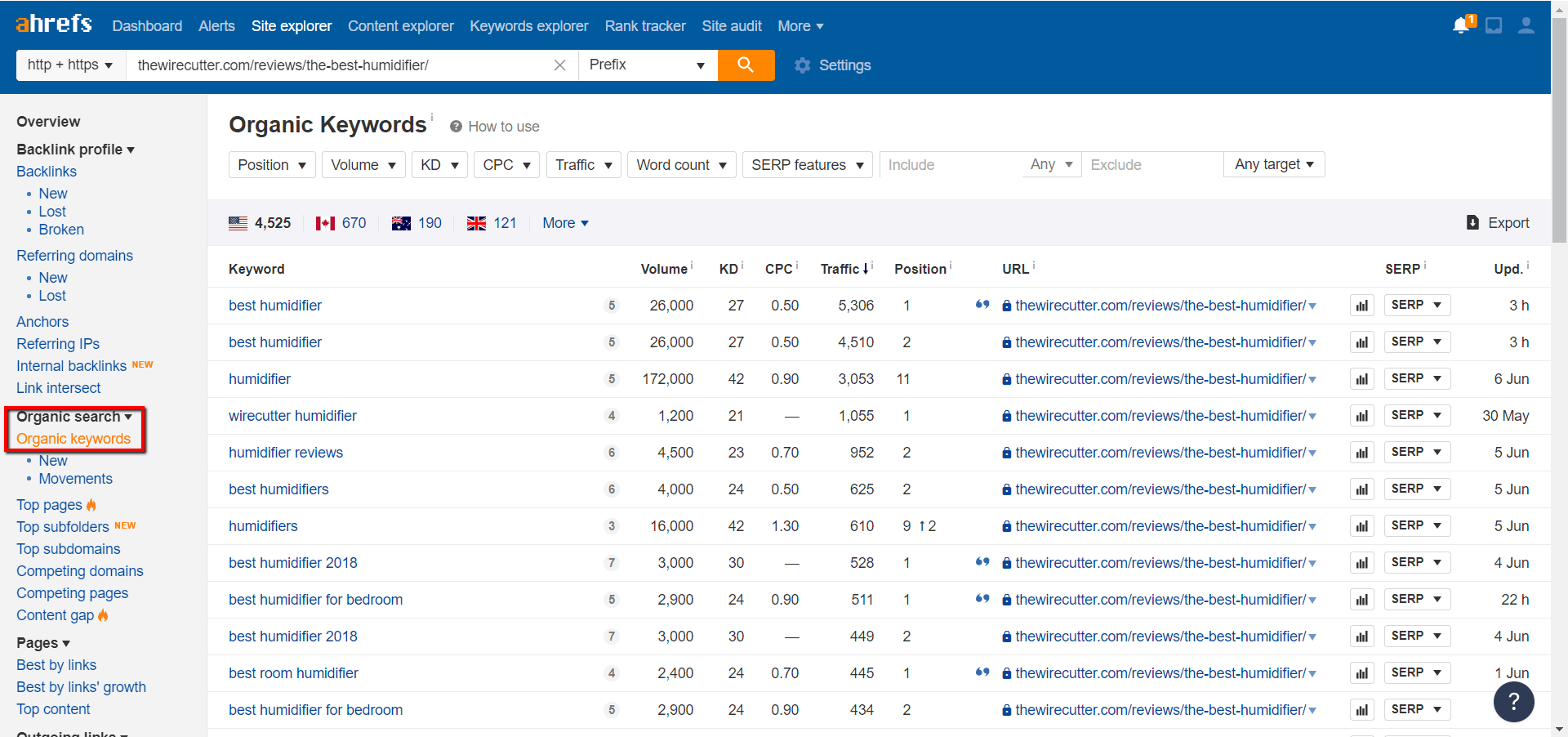
To make things easier, you can use tools like Google Keyword Planner, Ahrefs, and SEMrush to get relevant terms with high search volume and low competition.
2. SEO-Friendly Structure:

We can get better site navigation by creating a logical site hierarchy with clear categories and internal links.
3. Optimize On-Page Elements:
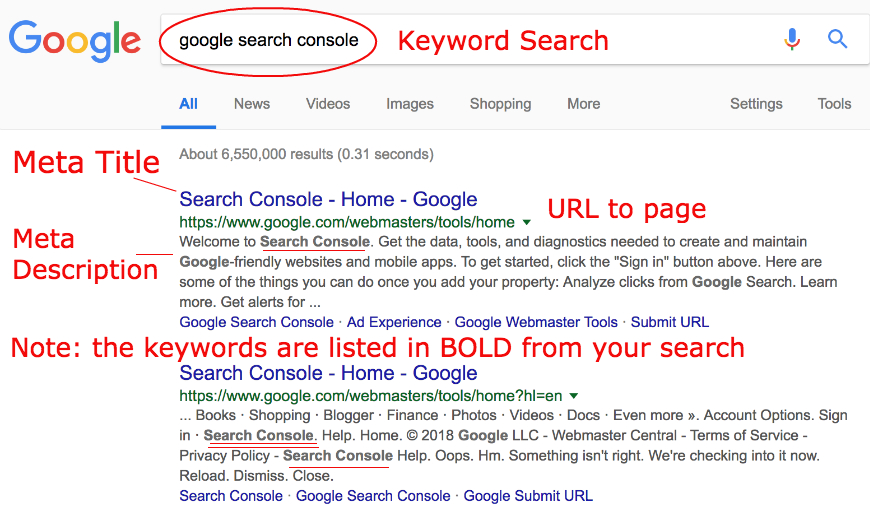
Your images should have keywords in titles, meta descriptions, headers, and alt tags. It should be well-organized and valuable.
4. Build Backlinks:
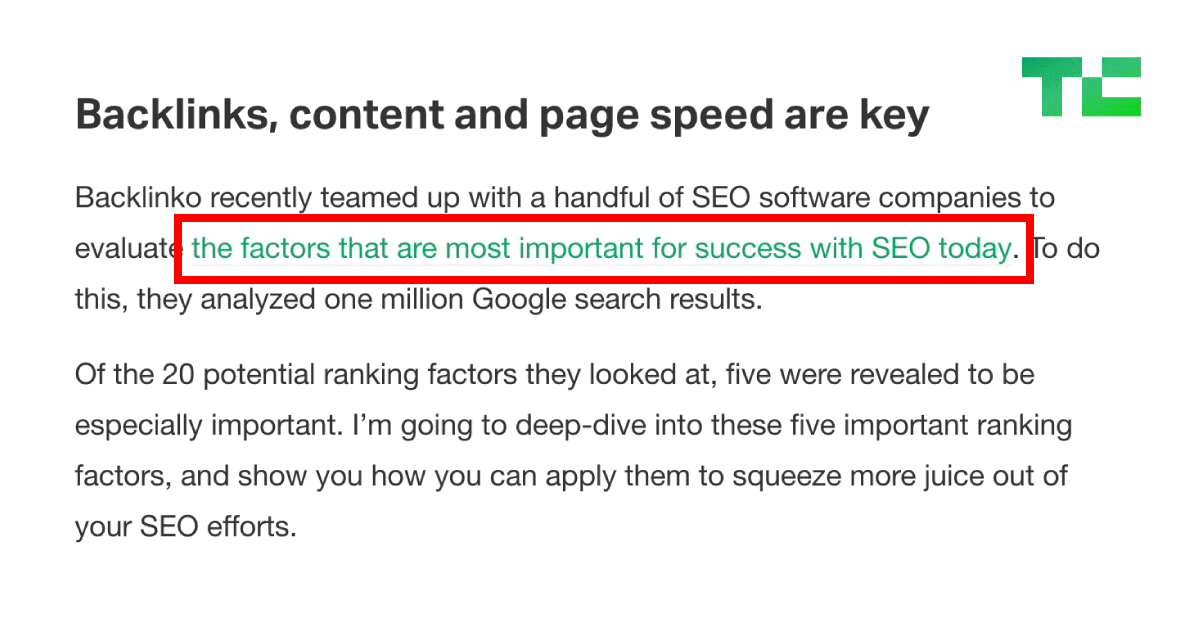
Quality links from authority websites through guest posts, or through collaboration or directory submissions.
5. Analyze and Improve:
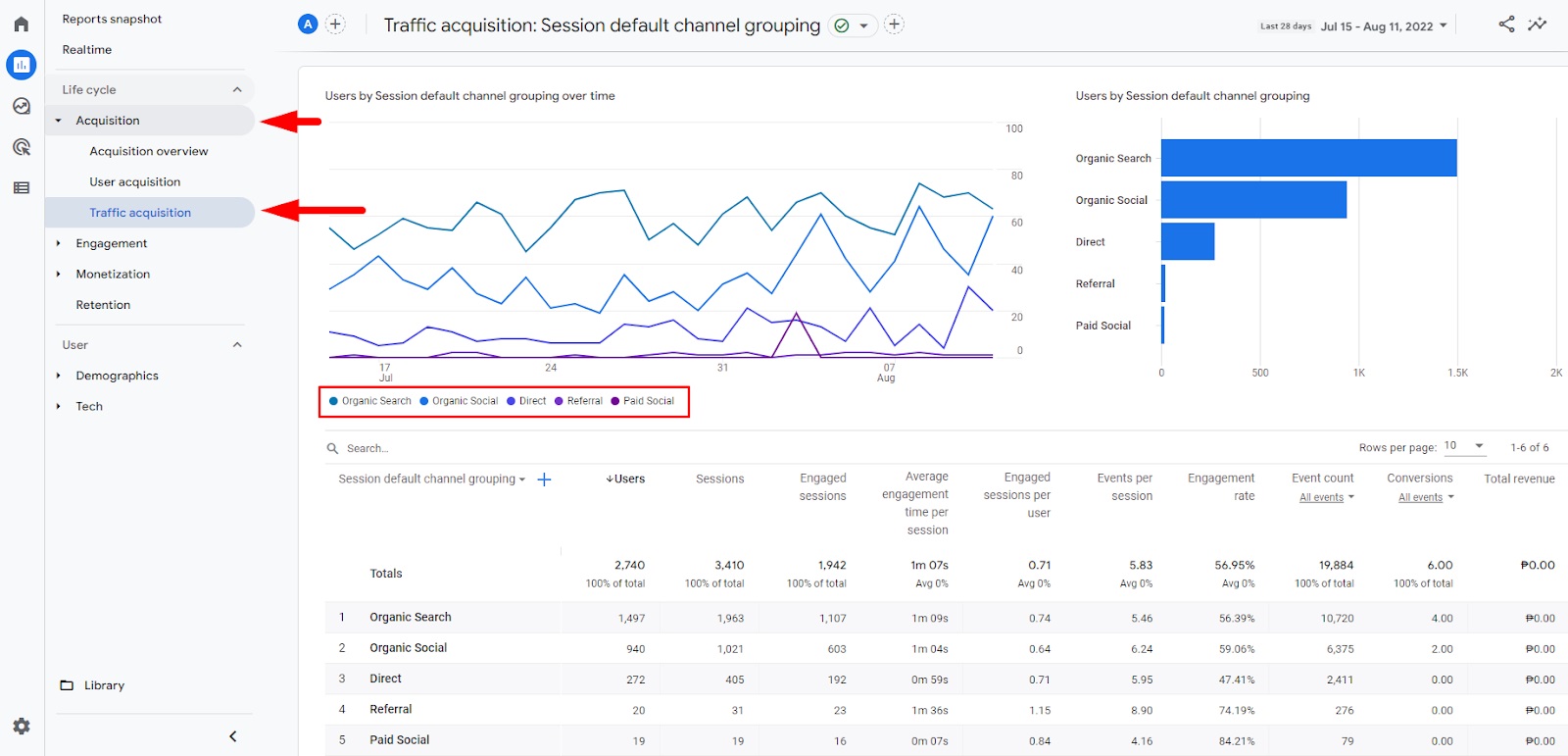
While there are plenty of tools to monitor performance, identify gaps, and refine strategies, such as Google Analytics, Ahrefs, or SEMrush, these tools should not be used as an excuse to just stick to a plan.
- Dive Deeper into SEO Tracking and Intelligence Tools: SEO is not a one-time process; its performance must be continuously monitored to make data-driven decisions. For this purpose, it is vital to understand why search engine rank tracking matters and how advanced SEO intelligence tools can help enhance your website’s visibility and overall performance.
7. Is SEO Dead Today? What’s Google Saying?
Despite many claims that SEO is dead, it isn’t true. SEO isn’t dead. It’s just growing. There are many myths about what caused this, and it’s often because people don’t understand Google’s updates or how difficult ranking has become.
Google’s recent Helpful Content Update focused on delivering value-driven content. It helps websites transform from those formerly focused on keyword placements or other deceptive methods into helpful, genuine solutions focused on end users. SEO is a human practice, but it is rapidly becoming an automation game. Unlike superficial metrics that rely on how you are searching, Google’s AI systems like RankBrain, Neural matching, BERT, and MUM can better interpret search intent much more deeply, taking relevance into much larger consideration.
- Dive Deeper into Google Core Updates and the E-E-A-T Framework: Google’s algorithms are constantly evolving, and today, the primary focus is on E-E-A-T (Experience, Expertise, Authoritativeness, Trustworthiness). If you want to maintain your rankings, find out what new changes the Google June 2025 core update has brought and how they might impact your SEO strategy.
The evolution is leading content producers to create higher-quality, engaging content that answers user queries. Such advances, however, can only prove how useful SEO remains and how well it fits into the contemporary internet.
8. Winning Tips for SEO in 2026
In 2026’s SEO reality, you must adapt to AI-driven search engines if you want to thrive.
“It’s not just about voice search or AI, it’s about leveraging all the tools available to maximize your results. Sure, AI content might not always perform well, but we’ve seen huge success using AI to drive traffic for businesses with multiple locations. “
Voice search is optimized by speaking conversational phrases and natural language. But user intent is second.
Voice search is optimized by speaking conversational phrases and natural language. But user intent is second. Being able to read user intent and serve personalized content will boost user engagement and rankings. More and more visual and video content is influential. For video optimization, platforms like YouTube are also search engines on their own, and you should consider them to be so. Similarly, mobile and local SEO strategies are important because “mobile searches” and “near me” queries drive them. The focus of emerging trends is on fast-loading and mobile-compatible sites with local content.
In the world of AI and continuous and evolving search, relevance is all about dynamism, and, above all, the user experience.
9. Mistakes to Avoid During SEO
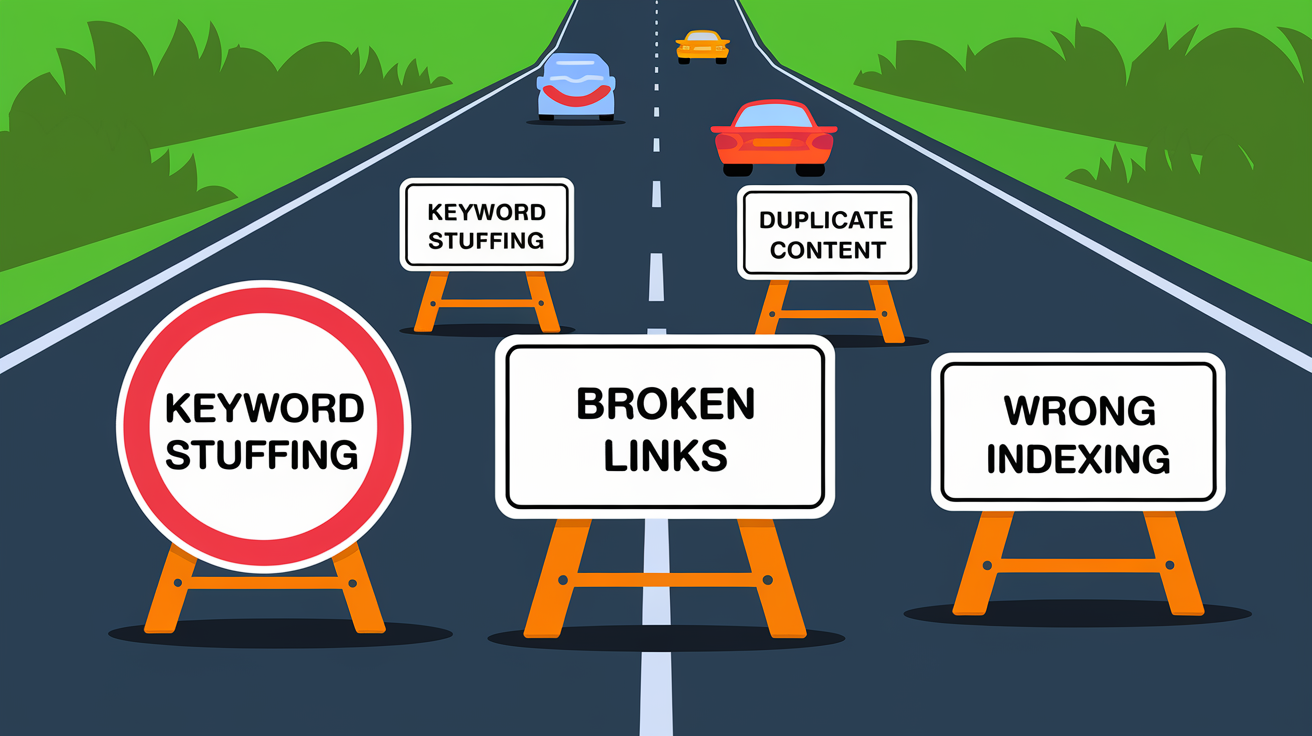
Keyword stuffing is a common mistake that can result in a penalty from search engines. Duplicate content is bad for rankings because search engines can’t determine which version to rank. For example, it will seem manipulative if you over-optimize metadata by using excessive keywords.
If we ignore (or don’t understand) mobile-first indexing or site speed, it affects user experience and search rankings. Don’t use analytics tools or make data-driven decisions; doing so can hinder your progress. Also, disregarding technical SEO issues, such as broken links and incorrect indexing, can halt your website’s development. To attain long-term success, stay up to date with best practices and avoid the following pitfalls.
10. SEO Strategy for New Startups
Establishing a new business in the online market might seem challenging, but with the right organic SEO strategy, it is entirely possible. If you have recently launched a business, focus on the important factors in improving SEO ranking for a new startup that will help you outpace competitors and secure the top spot on search engines.
Future of SEO
AI will drive the future of SEO, shape future search algorithms, and provide more personalized experiences. Blockchain may add more transparency to the digital ad and website credibility. We expect augmented reality and immersive technologies to change search experiences, particularly in e-commerce.
Visual and voice searches are now preferred by Google, with quick, engaging results. These trends will require businesses to adapt to stay competitive by optimizing for conversational questions and leveraging structured data and new interactive content tools.
FAQs
Conclusion
So, in the end, SEO is the main factor for every business to boost sales and generate leads. Here, we cracked the SEO code by implementing these strategies. You can easily boost business sales by 2x. If you struggle to rank first on Google’s first page, this guide helps you.
From the SEO basics to the advanced, apply them and practice them regularly. Read the Google Webmaster Guidelines and align your content with its latest algorithm. Utilize AI in SEO to drive further advancement and understand the user perspective. Invest in SEO to promote your business and transform your online presence. If you are expanding your business or your online presence, it will naturally appear in search engine results.
Our experts offer quality seo services to our clients. Contact our team here for any help.


